

Art Deco By The Sea Exhibition Review

This Sunday the Sainsbury Centre is opening their Art Deco by the Sea exhibition. We went along to have a look at the preview. The exhibition examines everything from the design of the seaside, to travelling to the seaside, the seafront designs and also the historical amusements. It captures the charm, character and romanticisms of the time. In the first part of the exhibition, the theme is looser – tying together the spirit of visiting the seaside in more abstract terms. A wonderfully striking still life by Edward A. Wadsworth, drawing from surrealism and playing with depth it’s both very characterful and captures the calming symmetry mixed with eclecticism that is so strongly reminiscent of the seaside.
Leonard Taylor’s Restaurant Car in the second room of Travelling to the Seaside is incredibly engaging. The use of colours creates an idealized scene, choosing to leave the uglier elements of reality. Despite the postcard feel, it settles well in the gallery.
The strict theme is lost a bit in the Design of the Seaside. Expanding beyond the architectural characteristics – Dreamland (the art deco landmark on Margate seafront) for instance, interior design, and fashion are referenced. The standouts of these exhibits are definitely the striking blazer and jacket as well two great prints by Alec Walker. Nonetheless, it gives the sense of it being much more like a history exhibition but without the candidness. It exhibits the romanticism of interior design and the general feel of the 1920s and 30s, in particular reference to the seaside. But there still remains a strong sense of utopianism – it obscures the realities of 1920s life. While one or two of the accompanying texts give reference to some of the darker, bleaker parts of the period, the story of the wonderful British seaside has been told often (and usually in a similar war). When it is told it also frequently ignores the darker elements of the period: addiction, alcoholism, mental health issues (whether that’s the issues of PTSD or from the crack-up as illustrated much by writers from the period). Furthermore, rampant nationalism, the growth in the development of eugenics). Additionally, much of the exhibition is dominated by white people. While positive on the face of things, there are definite implications in conflating British values and the seaside with whiteness, and while there is definitely some truth in seaside holidays being a predominantly white recreation, understanding the role of whiteness, and it’s dominance on seaside resorts is something that should and could have been unpacked intelligently.


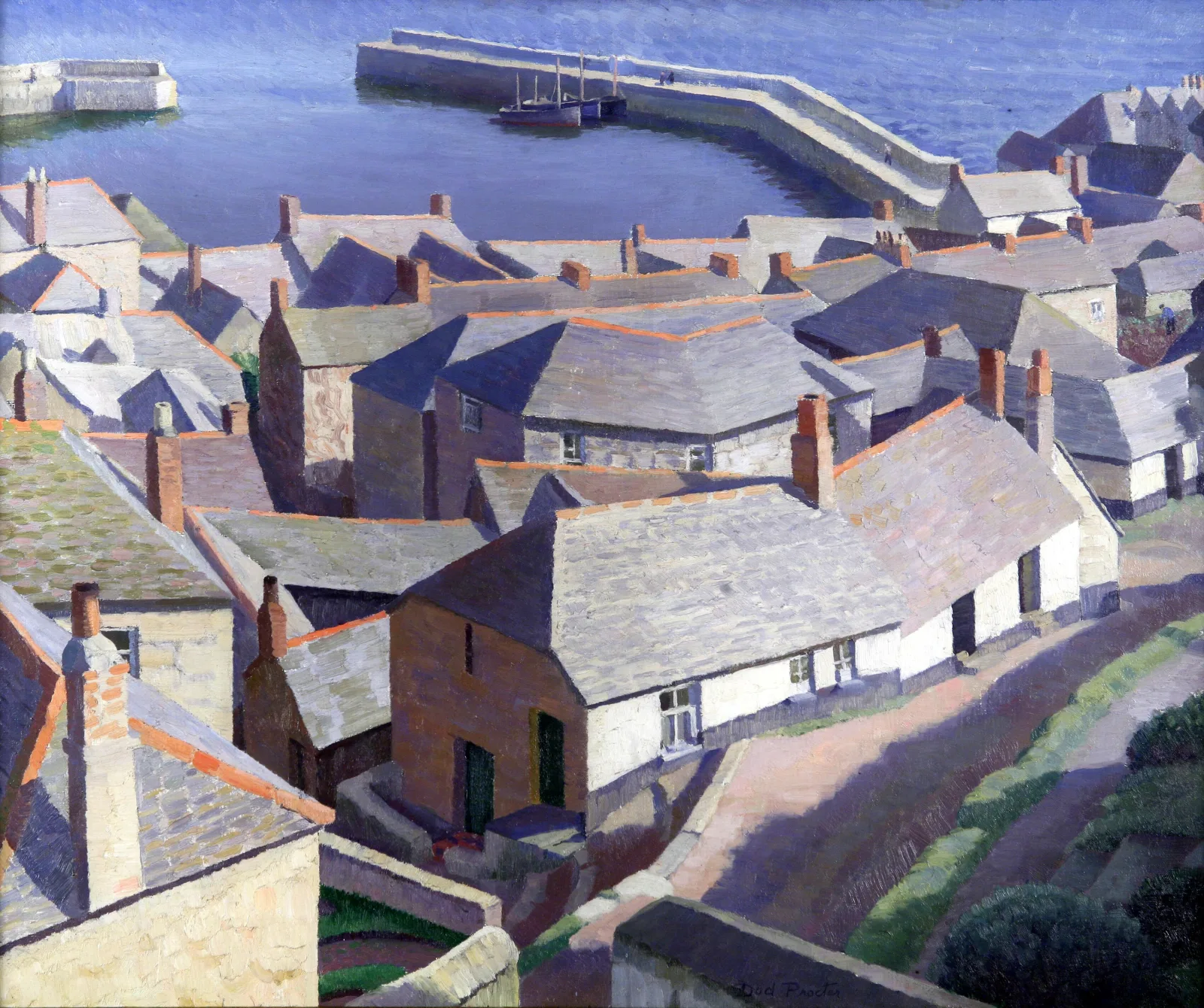
The collections at the end of the exhibition move towards post-cards. There is however some excellent cubist animal drawings by Percy Metcalf. It’s positive and accessible. Some more challenge would have been appreciated to contrast with the idealistic representations of holiday escapism in the 20s and 30s.
Nonetheless, the exhibition is no doubt going to be extremely popular. The positivity of it is quite contagious and the accessibility is something many art galleries should strive for where possible. There is lots to enjoy here even if many questions are left unanswered.


