

Akala

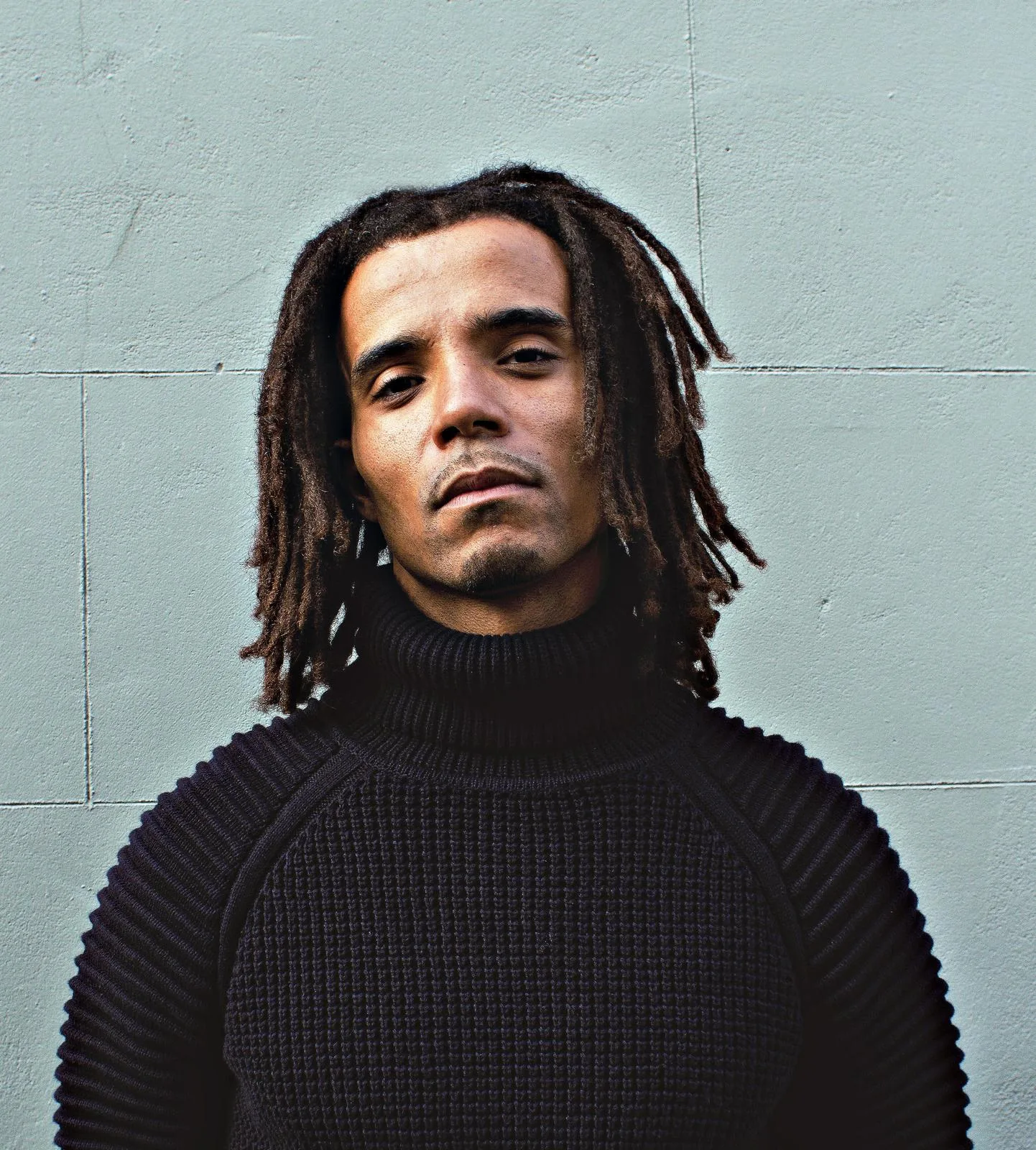
Akala’s been dubbed a modern day Shakespeare for his talents with words. He’s celebrating 10 years of making clever, political hip hop tracks with a gig at the Waterfront as part of a UK tour, where he’ll be presenting the very best of his work live. Not only a rapper but also a graphic novel writer, a TV presenter and champion of young artists, Akala is a man of the people. I spoke to him about NWA, Tolkien and Stormzy ahead of his gig here in Norwich.
Can you remember the first time you ever gave rapping a go?
When I was really young, like 6 years old I memorised some of NWA and Public Enemy’s lyrics. My parents were fine with the Public Enemy but not so much with the NWA! “Cause I’m the type of n****a that’s built to last, if ya fuck with me I’ll put a foot in ya ass”. Ha! Not great for a six year old. My stepdad and my dad were both DJ’s so I heard a lot of music, which led to learning the lyrics, which started me off really.
You’ve got an incredibly rich personal heritage, Jamaican and Scottish as well as the influence urban London must have had on you growing up. What music was around you when you were young?
There’s a plethora of classic 70’s reggae that has become canon in the Caribbean community. If you go to any West Indian christening, funeral or wedding there are certain songs that are always played. So reggae always occupied that space in my childhood more than hip hop. Hip Hop was seen as reggae’s cousin..you wouldn’t play it at a family reunion because the older generation were like what’s this angry, youthful music, whereas with reggae everyone could enjoy it.
You’re doing a documentary about reggae at the moment aren’t you?
I am yes, for BBC4. It’s coming out this month actually! Reggae’s all about peace love, harmony and politics. I can’t think of a single 70’s reggae track that’s disrespectful towards women or violent. If anything, the only kind of violence you hear of in reggae is political rebellion, like Burnin’ and Lootin’ by Bob Marley. It’s very interesting to me to see where Jamaican music has gone, because reggae didn’t exactly come from a nice environment.
<iframe src="//www.youtube.com/embed/6lSXd2gFt50" width="560" height="315" frameborder="0" allowfullscreen="allowfullscreen"></iframe>
It’s been 10 years since your debut album It’s Not A Rumour, and you’re about to drop an amazing best of of 19 tracks on triple vinyl picked by fans. Were you surprised by any of the selections, or any that weren’t mentioned?
There’s a song called Welcome To Utopia which is a really dissonant, abrasive song. I really like it but I was surprised that it was picked. I was surprised by some that didn’t get picked like Bit By Bit, because it was a single, had a video and got a bit of radio support, it was a bit softer. All in all I was relieved because I didn’t want to be in a position where I had to tell people who support me that the songs they picked weren’t reflective of my music. It’s great there seems to be a consensus..there are a couple of songs that I thought maybe should be on there but by putting them in I would have had to take others out.

You’ve got many strings to your bow – not only are you a musician with 6 albums under your belt, you’ve written two books and founded the Hip Hop Shakespeare Company, so you’ve really carved out your own career for yourself. Was there a masterplan from the beginning or have opportunities just come up as you’ve gone along?
A bit of both really. On one hand I always planned right from the beginning to make music that was quite political, unapologetically so, because you can’t act like the music that’s played on the radio isn’t political – it is. I‘ve always made music that questioned dominant power and I knew that would probably result in me not getting much daytime radio play. So I always had to shape our business plans, album campaigns and the way in which we spent money on that assumption. I’ve spent the last 10 years approaching my career more like a rock band would, playing hundreds of shows and building a really solid live audience. Stuff like writing a graphic novel, on the other hand, I had no idea 10 years ago that I would do that. I always knew I wanted to write although I wasn’t comic book geek as a teenager which upsets me now because I’ve become obsessed with them and aware of what I missed out on. I always just wanted to be experimental and different, although I’m not going to sit here and claim that money doesn’t matter. Having said that, mainstream hip hop has become so materialistic and to me, as someone who loves the art form, I feel like showing young people that you can be successful, you can make a living, you can tour the world without cussing down your own people, dissing women and being materialistic. I’m not blaming the artists – I think when we look at hip hop we have to consider the wider society, why certain things can get on the radio and others are not. I wanted to show young people that there are new ways of being successful without having to succumb to big corporate entities. I never thought I’d be working on a spoken word opera, for example. We’re in an interesting time, artistically, and as many problems as we have in the UK and as much as the powers that be seem to want to shrink the arts sector, one of the strongest things about Britain and London in particular are our arts.
UK hip hop and grime are so strong at the moment and that’s being led by the fans and the internet rather than the music industry. Does that make it easier or harder for upcoming artists do you think?
It makes it much easier and better – just look at someone like Stormzy. Do you think that a song like Shut Up would have got on the radio had it not been for the fact that it had 10 million views on YouTube? When you get to a point where the demand is so unquestionable it puts you as an artist in the driving seat. It’s very difficult for the radio to get out of the way of that kind of level of demand, and if they do they still might not play your tracks but it doesn’t matter by that point if they do or not. These days as an artist you’re not really going to make money from music sales, you can only make money from selling merchandise or touring, even for massive artists. So the internet, although it’s taken away the music sales opportunity, it’s brought music to the whole world. I was in New York the other day, I went to a shop in Manhattan and was stopped 10 or 12 times within a short distance by people who recognised me from the Internet – it’s given me an international fanbase.
You obviously have a love for words –“I’m similar to William but a little different –I do it for kids that’s illiterate, not Elizabeth” (Shakespeare). Were you a big reader when you were young?
I was, I was very lucky that my mum was quite draconian in enforcing the education policy in our house! We didn’t have much money but in terms of culture we were very very rich. Both my dad and stepdad had a canon of political books that we were encouraged to read, but my favourite book from when I was a child was The Hobbit. The level of imagination, description, the creation of this whole world, even a whole different language means I think even a hundred years later we still have to take our hats off to Tolkien.
I’m delighted that you have Cassell with you drumming live with you on tour cos that always brings things to life. Who’s inspired and impressed you most as a performer?
Lots of different people. I recently saw Skunk Anansie and I have to say Skin is easily one of the best performers I’ve ever seen. I mean, she hasn’t aged a day since I was a kid, and she was running up and down, running, shouting and singing pitch perfect whilst doing all that!
Your music and ethos has been inspirational for young rappers and grime artists coming through now, as well as spoken word artists like Kate Tempest and Hollie McNish. What advice would you give to a young person who feels they have something to say?
Say it! Do it! I think that we live in a world that’s more constricted than it’s ever been but also is more free. You can record something on your phone, upload it and share it with the whole world in a heartbeat! Whilst I don’t think we should over rate social media it does give you a ready audience and an outlet to speak to someone in the Cayman Islands or Oman or Hong Kong at the click of a button. If you’re inspired to say and do, you just have to. Work hard at the craft, and if you really love what you do and if you put together some decent material you’ll find an audience. It might not be the audience you want, you might not make as much money as you want, you’re guaranteed disappointments and setbacks but if you’re lucky enough to make a living doing something you love then you’re already better off that 99% of people on this planet – that’s impossible for most people. I don’t it for granted that I’m in a very privileged position.
Akala plays at the Waterfront on 24th October. Tickets available from ueatickets.ticketabc.com.


